29 Apr 2026
•
6 min read
When is the right time to start a business?
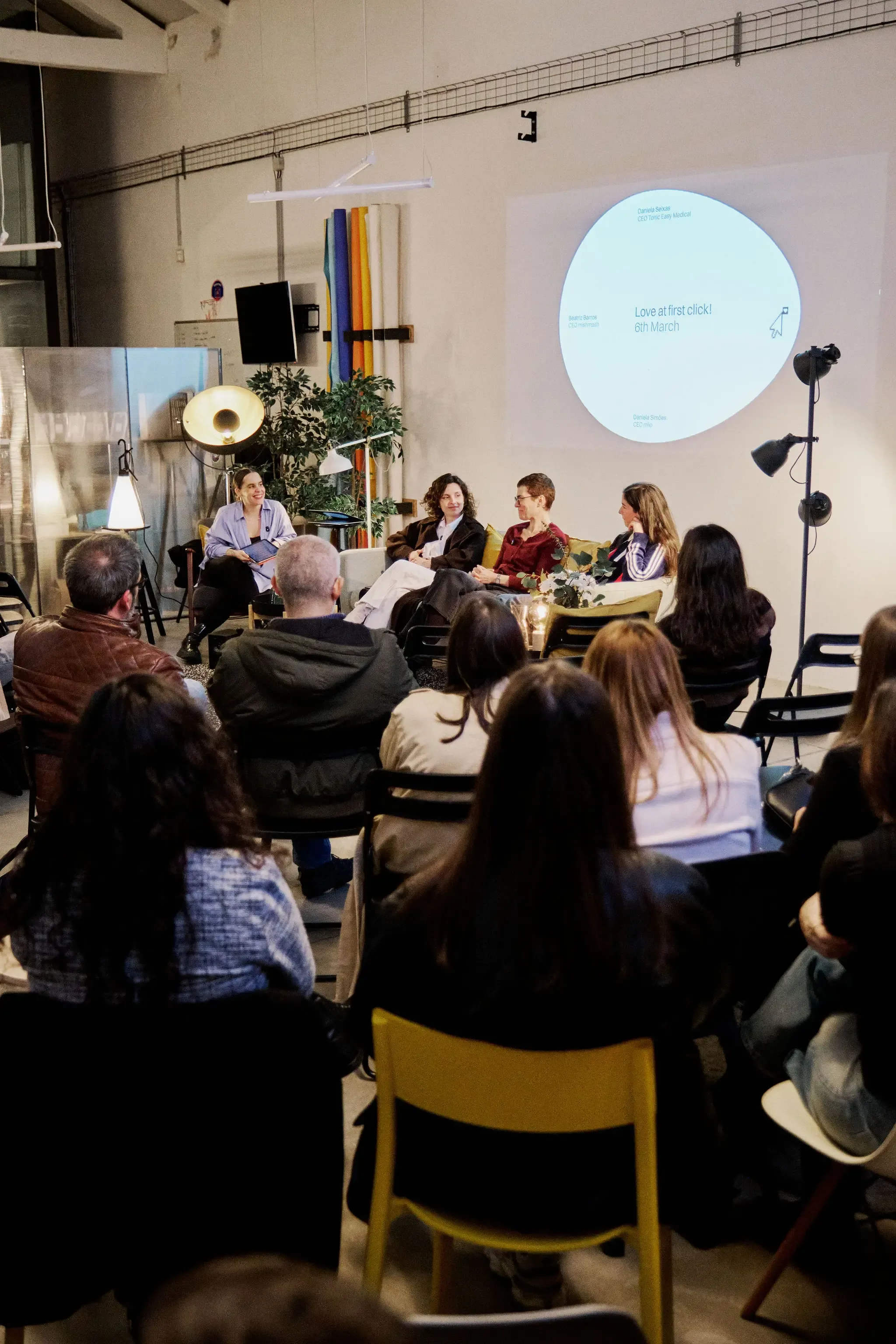
This is the second article of a series of three articles drawn from Love at First Click!, a conversation hosted at Significa on 6th March 2026 with founders Daniela Simões (miio), Daniela Seixas (Tonic Easy Medical), and Beatriz Barros (mishmash).
On timing
Daniela Simões keeps coming back to something her grandfather used to say: "Better done than perfect." It's a philosophy that runs through everything she's built, even when, especially when, the circumstances didn't look particularly promising.
In 2019, Daniela and co-founder Rafael Ferreira launched miio, an EV charging platform, at a time when Portugal had roughly 20,000 electric vehicles on its roads. To put that in perspective, the market they were building for was so small that most investors would have told them to wait because infrastructure was poor (almost non-existent) and their entire business depended on a transition that was happening far too slowly.
However, they didn't wait, for that assumes knowing when the moment is right, and Daniela and Rafael's experience taught them something different: that perfect timing rarely announces itself. “You've gotta start, learn, and adjust… the path reveals itself as you go."
That philosophy carried miio through its early years, when growth was slow and every user felt hard-won. It also carried them through the expansion from Portugal into Spain, and then France, the Netherlands, Germany, Italy, and Belgium.
When Russia invaded Ukraine in early 2022, causing energy prices across Europe to lose any connection to predictability, miio went through a rough, transformative period, as charging costs jumped from roughly 9 cents to 50 cents per kilowatt-hour. Suddenly, miio was asking users to pay more than five times what they were used to. That's the kind of price shock that can destroy years of customer trust in the blink of an eye.
But instead of burying this increment in updated terms and conditions, and hoping users were too distracted to notice, Daniela and Rafael went the opposite direction. They published an open letter to miio's community explaining what had happened, why prices had changed, and what the company could and couldn't control. They told users the truth, even though the truth was that their service was going to be significantly more expensive and there was no clear timeline for when that would change. Their community stayed, and that didn't happen by accident.
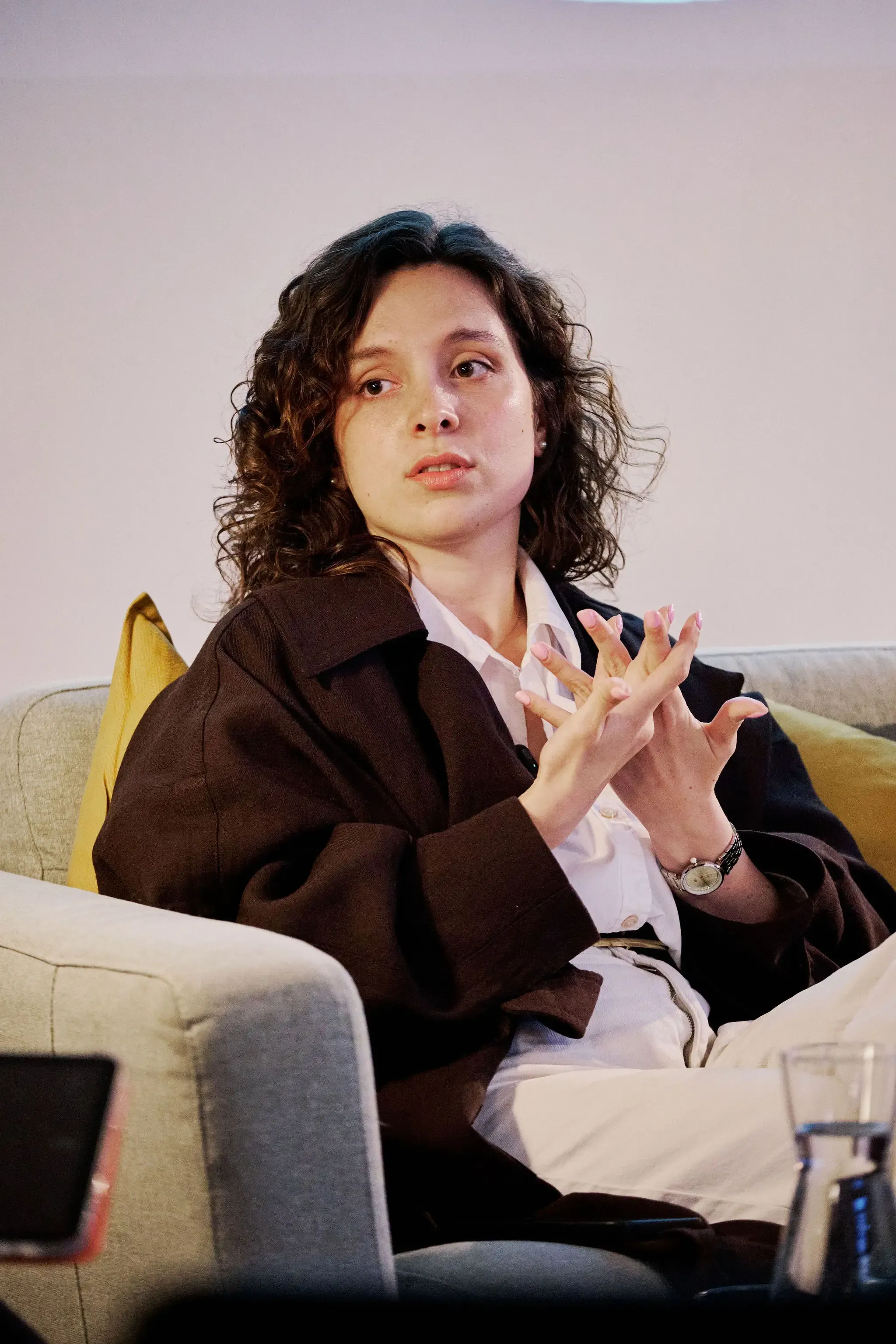
“When we thought we'd lose clients, the community embraced us. They gave back what we'd been building.”
Daniela Simões
Founder of miio
Timing is key
There's a popular idea in startup circles that first mover advantage is about capturing market share before competitors show up. Although that's partly true, miio's story suggests the real advantage of arriving early is something less obvious and considerably harder to replicate: time itself.
When a platform has a few thousand users rather than hundreds of thousands, it is possible to respond to every support ticket personally, hearing what's frustrating users and fixing it quickly, building the kind of familiarity that turns users into a strong community. That’s something no amount of late-stage capital can buy: relationships built on actual experience, beyond marketing platitudes.
And that foundation is ultimately what allowed miio to survive the 2022 energy crisis. Their users didn't stay because there weren’t any alternatives or because switching over to them was a bit inconvenient, but because they'd spent years experiencing miio show up, respond, and follow through on their promises. That kind of trust builds slowly, through hundreds of interactions that feel ordinary at the time but add up to something that's very hard for competitors to match.
Today, miio's customer support team consists of three people serving 500,000 users across seven countries. That ratio would be unthinkable without AI tools handling this volume, but the reason users trust AI-assisted support in the first place is that miio spent years earning trust in their product and business alike.

Designing for trust!
Why trust is the currency for purpose-led ventures, and how design earns it.
Building a brand without a brand strategy
Looking back, the trust miio earned during those early years turned out to arguably be more important than the platform itself.
When we asked Daniela about brand strategy in miio's early days, she was bluntly honest about it: there wasn't one. Their first logo cost €750 and it came without a brand book or tone of voice, and it didn’t result from a positioning workshop. There was only a product built around a problem that needed solving by a team small enough to fit around a kitchen table.
But a brand was being built anyway. Every time miio chose transparency over corporate lingo, every time they treated their community as partners in the crime instead of data points on a dashboard, they were following a strategic brand positioning.
This is something that tends to get lost in conversations about brand building, particularly when investors are in the room. The assumption is that a brand is a deliverable, something you commission from an agency when you've raised enough money to afford one. But what miio's journey shows is that a brand is in fact the accumulation of behaviour over time. It's the pattern that emerges from how the easier moments and the tougher ones are handled, and it's visible to users long before it gets written down in any guidelines document.
When Repsol acquired a majority stake in miio in February 2024, what they were really buying was the relationship miio had built with its users. Five years of showing up, being transparent, and following through had created the kind of loyalty that a competitor with deeper pockets would still need years to match.
Better done than perfect
There's no playbook for arriving early to a market. You have to believe in the direction enough to keep going when the numbers don't yet back you up, and be stubborn enough to outlast the uncertainty. Most people in that position would wait for better conditions.
Daniela and Rafael started miio to solve a problem for EV drivers in a market that barely existed. The community, the brand equity, the resilience they showed during the energy crisis, none of that was planned. It grew out of showing up every day, being honest about what was going well and what wasn't, and trusting that consistency compounds.
Sometimes the best time to start is before anyone else thinks it's time. Better done than perfect!
Ana Fernandes
Brand Manager
While others struggle to keep up, Ana effortlessly leaps from one thing to the next in a turbo-charged, blazing fast, whirlwind of flaming ideas and effortless creativity. After a couple of years managing projects, Ana moved into brand & product marketing. Now she shapes how Significa communicates with the world, keeping our voice clear, consistent, and genuinely ours.
We build and launch functional digital products.
Related articles
Rui Sereno
CEO
Rui Sereno
CEO
Rui Sereno
CEO
10 August 2026
•
4 min read